IT Perfection · Free IT Management Assessment Tools

Free IT Asset Inventory Assessment Tool

You cannot secure or support assets you cannot see. This assessment helps organizations review asset inventory maturity across endpoints, servers, network gear, cloud resources, and software.

Created for IT administrators, IT managers, business owners, and Southern California organizations that depend on reliable, secure, and well-supported IT operations.
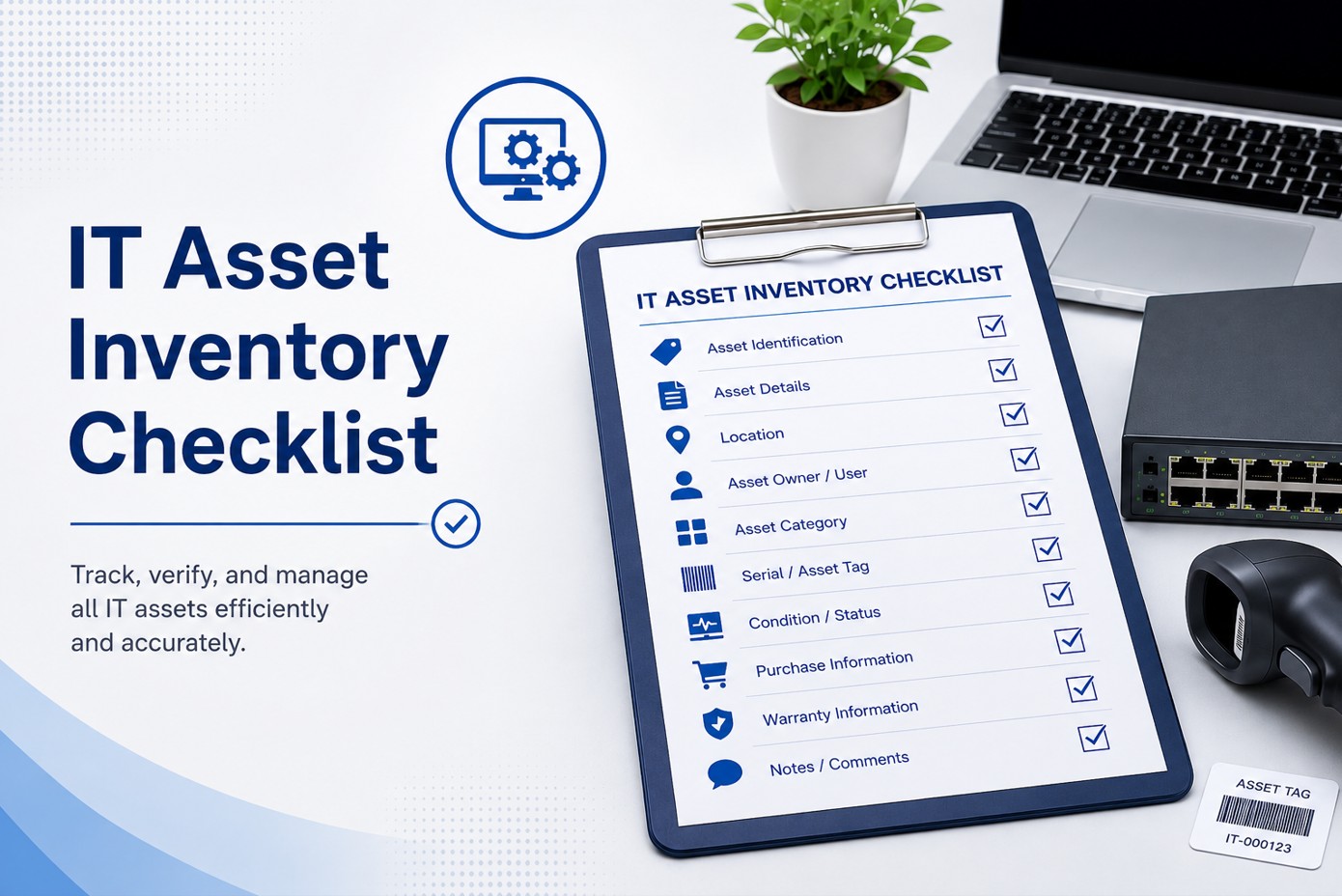
IT asset inventory assessment visual for IT Perfection

Executive overview

Why IT asset inventory assessment matters

What this assessment reviews

IT Asset Inventory Assessment Tool reviews ownership, configuration, documentation, and operating evidence for the controls that support secure business IT.

Where risk usually appears

Unreviewed access, stale configuration, missing monitoring, and untested recovery procedures increase the chance of downtime, unauthorized access, and costly remediation.

Why reviews should be routine

Users, vendors, applications, devices, and cloud services change frequently. Scheduled reviews help identify drift while it is still manageable.

Common risk patterns

Where IT asset inventory assessment risk usually builds up

Unclear ownership

Controls age quickly when no one owns review, evidence, exceptions, and remediation.

Excess access

Administrative access, vendor accounts, and legacy exceptions can remain long after the business need changes.

Missing monitoring

Without useful logs and alerts, problems are often found after users or customers are already affected.

Untested recovery

Backups, runbooks, and escalation paths need testing before an outage or security incident.

Important disclaimer

This free tool is a preliminary self-assessment and educational resource. It is not a final security audit, compliance audit, penetration test, or professional certification of security. For a complete review, consult a qualified cybersecurity and IT professional.

Interactive scorecard

IT Asset Inventory Assessment Tool scorecard

Answer each item using available configuration records, access lists, logs, ticket history, screenshots, backup evidence, or vendor console data. Results are calculated locally in your browser and are not submitted to IT Perfection.

Hardware Inventory · Critical risk area

1. Can the team show assigned ownership, approved configuration evidence, and dated review history for hardware inventory in it asset inventory assessment?

Review guidance, risk, business impact, and references

Why it matters

Hardware Inventory should map to an approved baseline, named owner, and recent validation evidence. Scheduled review confirms that access, policy, logging, backup, and exception records match production rather than stale documentation.

What Hardware Inventory is

Hardware Inventory is the it asset inventory control area that should have an assigned owner, approved baseline, dated evidence, and a defined review cadence. Evidence should come from the relevant admin console, configuration baseline, access model, logs, exception register, and change history. A reviewer should be able to identify affected systems or users, the records proving that the control is operating, and the approval path for exceptions. If this area is outdated or undocumented, the effect can reach security, availability, support response, audit readiness, and recovery during an incident.

Risk

Poorly maintained hardware inventory can create outages, unauthorized access paths, audit findings, or delayed recovery during an incident.

Business impact

Weak hardware inventory evidence can leave unsupported systems, excessive privilege, unmonitored changes, or untested recovery paths in place, increasing triage time and remediation cost.

Review frequency

Monthly, and after major changes.

Technical notes and evidence context

Review approved configuration records, ownership records, administrative access, logs, exceptions, change history, and supporting documentation for hardware inventory.

Software Inventory · Critical risk area

2. Can the team show assigned ownership, approved configuration evidence, and dated review history for software inventory in it asset inventory assessment?

Review guidance, risk, business impact, and references

Why it matters

Software Inventory should map to an approved baseline, named owner, and recent validation evidence. Scheduled review confirms that access, policy, logging, backup, and exception records match production rather than stale documentation.

What Software Inventory is

Software Inventory is the it asset inventory control area that should have an assigned owner, approved baseline, dated evidence, and a defined review cadence. Evidence should come from the relevant admin console, configuration baseline, access model, logs, exception register, and change history. A reviewer should be able to identify affected systems or users, the records proving that the control is operating, and the approval path for exceptions. If this area is outdated or undocumented, the effect can reach security, availability, support response, audit readiness, and recovery during an incident.

Risk

Poorly maintained software inventory can create outages, unauthorized access paths, audit findings, or delayed recovery during an incident.

Business impact

Weak software inventory evidence can leave unsupported systems, excessive privilege, unmonitored changes, or untested recovery paths in place, increasing triage time and remediation cost.

Review frequency

Monthly, and after major changes.

Technical notes and evidence context

Review approved configuration records, ownership records, administrative access, logs, exceptions, change history, and supporting documentation for software inventory.

Cloud Assets · Critical risk area

3. Can the team show assigned ownership, approved configuration evidence, and dated review history for cloud assets in it asset inventory assessment?

Review guidance, risk, business impact, and references

Why it matters

Cloud Assets should map to an approved baseline, named owner, and recent validation evidence. Scheduled review confirms that access, policy, logging, backup, and exception records match production rather than stale documentation.

What Cloud Assets is

Cloud Assets is the it asset inventory control area that should have an assigned owner, approved baseline, dated evidence, and a defined review cadence. Evidence should come from the relevant admin console, configuration baseline, access model, logs, exception register, and change history. A reviewer should be able to identify affected systems or users, the records proving that the control is operating, and the approval path for exceptions. If this area is outdated or undocumented, the effect can reach security, availability, support response, audit readiness, and recovery during an incident.

Risk

Poorly maintained cloud assets can create outages, unauthorized access paths, audit findings, or delayed recovery during an incident.

Business impact

Weak cloud assets evidence can leave unsupported systems, excessive privilege, unmonitored changes, or untested recovery paths in place, increasing triage time and remediation cost.

Review frequency

Monthly, and after major changes.

Technical notes and evidence context

Review approved configuration records, ownership records, administrative access, logs, exceptions, change history, and supporting documentation for cloud assets.

Network Devices · High risk area

4. Can the team show assigned ownership, approved configuration evidence, and dated review history for network devices in it asset inventory assessment?

Review guidance, risk, business impact, and references

Why it matters

Network Devices should map to an approved baseline, named owner, and recent validation evidence. Scheduled review confirms that access, policy, logging, backup, and exception records match production rather than stale documentation.

What Network Devices is

Network Devices is the it asset inventory control area that should have an assigned owner, approved baseline, dated evidence, and a defined review cadence. Evidence should come from the relevant admin console, configuration baseline, access model, logs, exception register, and change history. A reviewer should be able to identify affected systems or users, the records proving that the control is operating, and the approval path for exceptions. If this area is outdated or undocumented, the effect can reach security, availability, support response, audit readiness, and recovery during an incident.

Risk

Poorly maintained network devices can create outages, unauthorized access paths, audit findings, or delayed recovery during an incident.

Business impact

Weak network devices evidence can leave unsupported systems, excessive privilege, unmonitored changes, or untested recovery paths in place, increasing triage time and remediation cost.

Review frequency

Quarterly, and after material changes.

Technical notes and evidence context

Review approved configuration records, ownership records, administrative access, logs, exceptions, change history, and supporting documentation for network devices.

License Tracking · High risk area

5. Can the team show assigned ownership, approved configuration evidence, and dated review history for license tracking in it asset inventory assessment?

Review guidance, risk, business impact, and references

Why it matters

License Tracking should map to an approved baseline, named owner, and recent validation evidence. Scheduled review confirms that access, policy, logging, backup, and exception records match production rather than stale documentation.

What License Tracking is

License Tracking is the it asset inventory control area that should have an assigned owner, approved baseline, dated evidence, and a defined review cadence. Evidence should come from the relevant admin console, configuration baseline, access model, logs, exception register, and change history. A reviewer should be able to identify affected systems or users, the records proving that the control is operating, and the approval path for exceptions. If this area is outdated or undocumented, the effect can reach security, availability, support response, audit readiness, and recovery during an incident.

Risk

Poorly maintained license tracking can create outages, unauthorized access paths, audit findings, or delayed recovery during an incident.

Business impact

Weak license tracking evidence can leave unsupported systems, excessive privilege, unmonitored changes, or untested recovery paths in place, increasing triage time and remediation cost.

Review frequency

Quarterly, and after material changes.

Technical notes and evidence context

Review approved configuration records, ownership records, administrative access, logs, exceptions, change history, and supporting documentation for license tracking.

Asset Ownership · High risk area

6. Can the team show assigned ownership, approved configuration evidence, and dated review history for asset ownership in it asset inventory assessment?

Review guidance, risk, business impact, and references

Why it matters

Asset Ownership should map to an approved baseline, named owner, and recent validation evidence. Scheduled review confirms that access, policy, logging, backup, and exception records match production rather than stale documentation.

What Asset Ownership is

Asset Ownership is the it asset inventory control area that should have an assigned owner, approved baseline, dated evidence, and a defined review cadence. Evidence should come from the relevant admin console, configuration baseline, access model, logs, exception register, and change history. A reviewer should be able to identify affected systems or users, the records proving that the control is operating, and the approval path for exceptions. If this area is outdated or undocumented, the effect can reach security, availability, support response, audit readiness, and recovery during an incident.

Risk

Poorly maintained asset ownership can create outages, unauthorized access paths, audit findings, or delayed recovery during an incident.

Business impact

Weak asset ownership evidence can leave unsupported systems, excessive privilege, unmonitored changes, or untested recovery paths in place, increasing triage time and remediation cost.

Review frequency

Quarterly, and after material changes.

Technical notes and evidence context

Review approved configuration records, ownership records, administrative access, logs, exceptions, change history, and supporting documentation for asset ownership.

Lifecycle Status · High risk area

7. Can the team show assigned ownership, approved configuration evidence, and dated review history for lifecycle status in it asset inventory assessment?

Review guidance, risk, business impact, and references

Why it matters

Lifecycle Status should map to an approved baseline, named owner, and recent validation evidence. Scheduled review confirms that access, policy, logging, backup, and exception records match production rather than stale documentation.

What Lifecycle Status is

Lifecycle Status is the it asset inventory control area that should have an assigned owner, approved baseline, dated evidence, and a defined review cadence. Evidence should come from the relevant admin console, configuration baseline, access model, logs, exception register, and change history. A reviewer should be able to identify affected systems or users, the records proving that the control is operating, and the approval path for exceptions. If this area is outdated or undocumented, the effect can reach security, availability, support response, audit readiness, and recovery during an incident.

Risk

Poorly maintained lifecycle status can create outages, unauthorized access paths, audit findings, or delayed recovery during an incident.

Business impact

Weak lifecycle status evidence can leave unsupported systems, excessive privilege, unmonitored changes, or untested recovery paths in place, increasing triage time and remediation cost.

Review frequency

Quarterly, and after material changes.

Technical notes and evidence context

Review approved configuration records, ownership records, administrative access, logs, exceptions, change history, and supporting documentation for lifecycle status.

Warranty Records · Medium risk area

8. Can the team show assigned ownership, approved configuration evidence, and dated review history for warranty records in it asset inventory assessment?

Review guidance, risk, business impact, and references

Why it matters

Warranty Records should map to an approved baseline, named owner, and recent validation evidence. Scheduled review confirms that access, policy, logging, backup, and exception records match production rather than stale documentation.

What Warranty Records are

Warranty Records are the it asset inventory control area that should have an assigned owner, approved baseline, dated evidence, and a defined review cadence. Evidence should come from the relevant admin console, configuration baseline, access model, logs, exception register, and change history. A reviewer should be able to identify affected systems or users, the records proving that the control is operating, and the approval path for exceptions. If this area is outdated or undocumented, the effect can reach security, availability, support response, audit readiness, and recovery during an incident.

Risk

Poorly maintained warranty records can create outages, unauthorized access paths, audit findings, or delayed recovery during an incident.

Business impact

Weak warranty records evidence can leave unsupported systems, excessive privilege, unmonitored changes, or untested recovery paths in place, increasing triage time and remediation cost.

Review frequency

Quarterly, and after material changes.

Technical notes and evidence context

Review approved configuration records, ownership records, administrative access, logs, exceptions, change history, and supporting documentation for warranty records.

Security Tool Coverage · Medium risk area

9. Can the team show assigned ownership, approved configuration evidence, and dated review history for security tool coverage in it asset inventory assessment?

Review guidance, risk, business impact, and references

Why it matters

Security Tool Coverage should map to an approved baseline, named owner, and recent validation evidence. Scheduled review confirms that access, policy, logging, backup, and exception records match production rather than stale documentation.

What Security Tool Coverage is

Security Tool Coverage is the it asset inventory control area that should have an assigned owner, approved baseline, dated evidence, and a defined review cadence. Evidence should come from the relevant admin console, configuration baseline, access model, logs, exception register, and change history. A reviewer should be able to identify affected systems or users, the records proving that the control is operating, and the approval path for exceptions. If this area is outdated or undocumented, the effect can reach security, availability, support response, audit readiness, and recovery during an incident.

Risk

Poorly maintained security tool coverage can create outages, unauthorized access paths, audit findings, or delayed recovery during an incident.

Business impact

Weak security tool coverage evidence can leave unsupported systems, excessive privilege, unmonitored changes, or untested recovery paths in place, increasing triage time and remediation cost.

Review frequency

Quarterly, and after material changes.

Technical notes and evidence context

Review approved configuration records, ownership records, administrative access, logs, exceptions, change history, and supporting documentation for security tool coverage.

Inventory Automation · Medium risk area

10. Can the team show assigned ownership, approved configuration evidence, and dated review history for inventory automation in it asset inventory assessment?

Review guidance, risk, business impact, and references

Why it matters

Inventory Automation should map to an approved baseline, named owner, and recent validation evidence. Scheduled review confirms that access, policy, logging, backup, and exception records match production rather than stale documentation.

What Inventory Automation is

Inventory Automation is the it asset inventory control area that should have an assigned owner, approved baseline, dated evidence, and a defined review cadence. Evidence should come from the relevant admin console, configuration baseline, access model, logs, exception register, and change history. A reviewer should be able to identify affected systems or users, the records proving that the control is operating, and the approval path for exceptions. If this area is outdated or undocumented, the effect can reach security, availability, support response, audit readiness, and recovery during an incident.

Risk

Poorly maintained inventory automation can create outages, unauthorized access paths, audit findings, or delayed recovery during an incident.

Business impact

Weak inventory automation evidence can leave unsupported systems, excessive privilege, unmonitored changes, or untested recovery paths in place, increasing triage time and remediation cost.

Review frequency

Quarterly, and after material changes.

Technical notes and evidence context

Review approved configuration records, ownership records, administrative access, logs, exceptions, change history, and supporting documentation for inventory automation.

Administrative Access · Medium risk area

11. Can the team show assigned ownership, approved configuration evidence, and dated review history for administrative access in it asset inventory assessment?

Review guidance, risk, business impact, and references

Why it matters

Administrative Access should map to an approved baseline, named owner, and recent validation evidence. Scheduled review confirms that access, policy, logging, backup, and exception records match production rather than stale documentation.

What Administrative Access is

Administrative Access is the it asset inventory control area that should have an assigned owner, approved baseline, dated evidence, and a defined review cadence. Evidence should come from the relevant admin console, configuration baseline, access model, logs, exception register, and change history. A reviewer should be able to identify affected systems or users, the records proving that the control is operating, and the approval path for exceptions. If this area is outdated or undocumented, the effect can reach security, availability, support response, audit readiness, and recovery during an incident.

Risk

Poorly maintained administrative access can create outages, unauthorized access paths, audit findings, or delayed recovery during an incident.

Business impact

Weak administrative access evidence can leave unsupported systems, excessive privilege, unmonitored changes, or untested recovery paths in place, increasing triage time and remediation cost.

Review frequency

Quarterly, and after material changes.

Technical notes and evidence context

Review approved configuration records, ownership records, administrative access, logs, exceptions, change history, and supporting documentation for administrative access.

Logging and Monitoring · Medium risk area

12. Can the team show assigned ownership, approved configuration evidence, and dated review history for logging and monitoring in it asset inventory assessment?

Review guidance, risk, business impact, and references

Why it matters

Logging and Monitoring should map to an approved baseline, named owner, and recent validation evidence. Scheduled review confirms that access, policy, logging, backup, and exception records match production rather than stale documentation.

What Logging and Monitoring is

Logging and Monitoring is the it asset inventory control area that should have an assigned owner, approved baseline, dated evidence, and a defined review cadence. Evidence should come from the relevant admin console, configuration baseline, access model, logs, exception register, and change history. A reviewer should be able to identify affected systems or users, the records proving that the control is operating, and the approval path for exceptions. If this area is outdated or undocumented, the effect can reach security, availability, support response, audit readiness, and recovery during an incident.

Risk

Poorly maintained logging and monitoring can create outages, unauthorized access paths, audit findings, or delayed recovery during an incident.

Business impact

Weak logging and monitoring evidence can leave unsupported systems, excessive privilege, unmonitored changes, or untested recovery paths in place, increasing triage time and remediation cost.

Review frequency

Quarterly, and after material changes.

Technical notes and evidence context

Review approved configuration records, ownership records, administrative access, logs, exceptions, change history, and supporting documentation for logging and monitoring.

Backup and Recovery · Medium risk area

13. Can the team show assigned ownership, approved configuration evidence, and dated review history for backup and recovery in it asset inventory assessment?

Review guidance, risk, business impact, and references

Why it matters

Backup and Recovery should map to an approved baseline, named owner, and recent validation evidence. Scheduled review confirms that access, policy, logging, backup, and exception records match production rather than stale documentation.

What Backup and Recovery is

Backup and Recovery is the it asset inventory control area that should have an assigned owner, approved baseline, dated evidence, and a defined review cadence. Evidence should come from the relevant admin console, configuration baseline, access model, logs, exception register, and change history. A reviewer should be able to identify affected systems or users, the records proving that the control is operating, and the approval path for exceptions. If this area is outdated or undocumented, the effect can reach security, availability, support response, audit readiness, and recovery during an incident.

Risk

Poorly maintained backup and recovery can create outages, unauthorized access paths, audit findings, or delayed recovery during an incident.

Business impact

Weak backup and recovery evidence can leave unsupported systems, excessive privilege, unmonitored changes, or untested recovery paths in place, increasing triage time and remediation cost.

Review frequency

Quarterly, and after material changes.

Technical notes and evidence context

Review approved configuration records, ownership records, administrative access, logs, exceptions, change history, and supporting documentation for backup and recovery.

Documentation · Medium risk area

14. Can the team show assigned ownership, approved configuration evidence, and dated review history for documentation in it asset inventory assessment?

Review guidance, risk, business impact, and references

Why it matters

Documentation should map to an approved baseline, named owner, and recent validation evidence. Scheduled review confirms that access, policy, logging, backup, and exception records match production rather than stale documentation.

What Documentation is

Documentation is the it asset inventory control area that should have an assigned owner, approved baseline, dated evidence, and a defined review cadence. Evidence should come from the relevant admin console, configuration baseline, access model, logs, exception register, and change history. A reviewer should be able to identify affected systems or users, the records proving that the control is operating, and the approval path for exceptions. If this area is outdated or undocumented, the effect can reach security, availability, support response, audit readiness, and recovery during an incident.

Risk

Poorly maintained documentation can create outages, unauthorized access paths, audit findings, or delayed recovery during an incident.

Business impact

Weak documentation evidence can leave unsupported systems, excessive privilege, unmonitored changes, or untested recovery paths in place, increasing triage time and remediation cost.

Review frequency

Quarterly, and after material changes.

Technical notes and evidence context

Review approved configuration records, ownership records, administrative access, logs, exceptions, change history, and supporting documentation for documentation.

Change Control · Medium risk area

15. Can the team show assigned ownership, approved configuration evidence, and dated review history for change control in it asset inventory assessment?

Review guidance, risk, business impact, and references

Why it matters

Change Control should map to an approved baseline, named owner, and recent validation evidence. Scheduled review confirms that access, policy, logging, backup, and exception records match production rather than stale documentation.

What Change Control is

Change Control is the it asset inventory control area that should have an assigned owner, approved baseline, dated evidence, and a defined review cadence. Evidence should come from the relevant admin console, configuration baseline, access model, logs, exception register, and change history. A reviewer should be able to identify affected systems or users, the records proving that the control is operating, and the approval path for exceptions. If this area is outdated or undocumented, the effect can reach security, availability, support response, audit readiness, and recovery during an incident.

Risk

Poorly maintained change control can create outages, unauthorized access paths, audit findings, or delayed recovery during an incident.

Business impact

Weak change control evidence can leave unsupported systems, excessive privilege, unmonitored changes, or untested recovery paths in place, increasing triage time and remediation cost.

Review frequency

Quarterly, and after material changes.

Technical notes and evidence context

Review approved configuration records, ownership records, administrative access, logs, exceptions, change history, and supporting documentation for change control.

Vendor Support · Medium risk area

16. Can the team show assigned ownership, approved configuration evidence, and dated review history for vendor support in it asset inventory assessment?

Review guidance, risk, business impact, and references

Why it matters

Vendor Support should map to an approved baseline, named owner, and recent validation evidence. Scheduled review confirms that access, policy, logging, backup, and exception records match production rather than stale documentation.

What Vendor Support is

Vendor Support is the it asset inventory control area that should have an assigned owner, approved baseline, dated evidence, and a defined review cadence. Evidence should come from the relevant admin console, configuration baseline, access model, logs, exception register, and change history. A reviewer should be able to identify affected systems or users, the records proving that the control is operating, and the approval path for exceptions. If this area is outdated or undocumented, the effect can reach security, availability, support response, audit readiness, and recovery during an incident.

Risk

Poorly maintained vendor support can create outages, unauthorized access paths, audit findings, or delayed recovery during an incident.

Business impact

Weak vendor support evidence can leave unsupported systems, excessive privilege, unmonitored changes, or untested recovery paths in place, increasing triage time and remediation cost.

Review frequency

Quarterly, and after material changes.

Technical notes and evidence context

Review approved configuration records, ownership records, administrative access, logs, exceptions, change history, and supporting documentation for vendor support.

Policy Exceptions · Medium risk area

17. Can the team show assigned ownership, approved configuration evidence, and dated review history for policy exceptions in it asset inventory assessment?

Review guidance, risk, business impact, and references

Why it matters

Policy Exceptions should map to an approved baseline, named owner, and recent validation evidence. Scheduled review confirms that access, policy, logging, backup, and exception records match production rather than stale documentation.

What Policy Exceptions is

Policy Exceptions is the it asset inventory control area that should have an assigned owner, approved baseline, dated evidence, and a defined review cadence. Evidence should come from the relevant admin console, configuration baseline, access model, logs, exception register, and change history. A reviewer should be able to identify affected systems or users, the records proving that the control is operating, and the approval path for exceptions. If this area is outdated or undocumented, the effect can reach security, availability, support response, audit readiness, and recovery during an incident.

Risk

Poorly maintained policy exceptions can create outages, unauthorized access paths, audit findings, or delayed recovery during an incident.

Business impact

Weak policy exceptions evidence can leave unsupported systems, excessive privilege, unmonitored changes, or untested recovery paths in place, increasing triage time and remediation cost.

Review frequency

Quarterly, and after material changes.

Technical notes and evidence context

Review approved configuration records, ownership records, administrative access, logs, exceptions, change history, and supporting documentation for policy exceptions.

User Awareness · Medium risk area

18. Can the team show assigned ownership, approved configuration evidence, and dated review history for user awareness in it asset inventory assessment?

Review guidance, risk, business impact, and references

Why it matters

User Awareness should map to an approved baseline, named owner, and recent validation evidence. Scheduled review confirms that access, policy, logging, backup, and exception records match production rather than stale documentation.

What User Awareness is

User Awareness is the it asset inventory control area that should have an assigned owner, approved baseline, dated evidence, and a defined review cadence. Evidence should come from the relevant admin console, configuration baseline, access model, logs, exception register, and change history. A reviewer should be able to identify affected systems or users, the records proving that the control is operating, and the approval path for exceptions. If this area is outdated or undocumented, the effect can reach security, availability, support response, audit readiness, and recovery during an incident.

Risk

Poorly maintained user awareness can create outages, unauthorized access paths, audit findings, or delayed recovery during an incident.

Business impact

Weak user awareness evidence can leave unsupported systems, excessive privilege, unmonitored changes, or untested recovery paths in place, increasing triage time and remediation cost.

Review frequency

Quarterly, and after material changes.

Technical notes and evidence context

Review approved configuration records, ownership records, administrative access, logs, exceptions, change history, and supporting documentation for user awareness.

Incident Response · Medium risk area

19. Can the team show assigned ownership, approved configuration evidence, and dated review history for incident response in it asset inventory assessment?

Review guidance, risk, business impact, and references

Why it matters

Incident Response should map to an approved baseline, named owner, and recent validation evidence. Scheduled review confirms that access, policy, logging, backup, and exception records match production rather than stale documentation.

What Incident Response is

Incident Response is the it asset inventory control area that should have an assigned owner, approved baseline, dated evidence, and a defined review cadence. Evidence should come from the relevant admin console, configuration baseline, access model, logs, exception register, and change history. A reviewer should be able to identify affected systems or users, the records proving that the control is operating, and the approval path for exceptions. If this area is outdated or undocumented, the effect can reach security, availability, support response, audit readiness, and recovery during an incident.

Risk

Poorly maintained incident response can create outages, unauthorized access paths, audit findings, or delayed recovery during an incident.

Business impact

Weak incident response evidence can leave unsupported systems, excessive privilege, unmonitored changes, or untested recovery paths in place, increasing triage time and remediation cost.

Review frequency

Quarterly, and after material changes.

Technical notes and evidence context

Review approved configuration records, ownership records, administrative access, logs, exceptions, change history, and supporting documentation for incident response.

Executive Reporting · Medium risk area

20. Can the team show assigned ownership, approved configuration evidence, and dated review history for executive reporting in it asset inventory assessment?

Review guidance, risk, business impact, and references

Why it matters

Executive Reporting should map to an approved baseline, named owner, and recent validation evidence. Scheduled review confirms that access, policy, logging, backup, and exception records match production rather than stale documentation.

What Executive Reporting is

Executive Reporting is the it asset inventory control area that should have an assigned owner, approved baseline, dated evidence, and a defined review cadence. Evidence should come from the relevant admin console, configuration baseline, access model, logs, exception register, and change history. A reviewer should be able to identify affected systems or users, the records proving that the control is operating, and the approval path for exceptions. If this area is outdated or undocumented, the effect can reach security, availability, support response, audit readiness, and recovery during an incident.

Risk

Poorly maintained executive reporting can create outages, unauthorized access paths, audit findings, or delayed recovery during an incident.

Business impact

Weak executive reporting evidence can leave unsupported systems, excessive privilege, unmonitored changes, or untested recovery paths in place, increasing triage time and remediation cost.

Review frequency

Quarterly, and after material changes.

Technical notes and evidence context

Review approved configuration records, ownership records, administrative access, logs, exceptions, change history, and supporting documentation for executive reporting.

Findings and recommendations

Executive summary, findings, and remediation roadmap

Critical and high findings

Complete the scorecard to generate findings.

Top recommendations

Recommendations will appear after scoring.

Printable report

Downloadable and printable IT Asset Inventory Assessment Tool report

IT Asset Inventory Assessment Report
Ali Hassani, CISO and IT infrastructure consultant

Ali Hassani, CISO

Created by Ali Hassani, CISO - 25+ years of IT, cybersecurity, compliance, and infrastructure experience.

Certifications: CISSP, CCISO (Certified CISO), CCNP, MCSE, MCITP, MCSA Security, MCP, MCTS
ITPerfection.com/ali/

CISSP certification logoCCISO vCiso Certification ITsecurity certification logoccnp Cisco Certified Routing Switching certification logoMicrosoft Certified Systems Engineer certification logo

Complete the assessment and calculate results to populate this report with your score, category scores, findings, recommendations, and roadmap.

Recommended next step with IT Perfection

If this self-assessment identifies findings, IT Perfection can review the evidence, validate the risk, and help prioritize remediation work.

Disclaimer: This free tool is a preliminary self-assessment and educational resource. It is not a final security audit, compliance audit, penetration test, or professional certification of security. For a complete review, consult a qualified cybersecurity and IT professional.

Ali Hassani expertise

Ali Hassani, CISO and IT infrastructure specialist

IT Asset Inventory Assessment Tool guidance backed by real infrastructure experience

Ali Hassani is a cybersecurity consultant, virtual CISO, network security engineer, and IT infrastructure specialist with more than 25 years of experience helping organizations design, secure, audit, and support business IT environments. His certifications include CISSP, CCISO (Certified CISO), CCNP, MCSE, MCITP, MCSA Security, MCP, and MCTS.

Ali has worked across Microsoft infrastructure, network security, cloud services, backup planning, compliance readiness, managed IT, co-managed IT, and security assessment for business networks.

CISSPCCISOCCNPMCSEMCITPMCSA SecurityMCPMCTS

FAQ

IT Asset Inventory Assessment Tool FAQ

Does this replace a professional IT or cybersecurity audit?

No. This tool is a structured starting point. A professional audit should include evidence review, configuration validation, administrative interviews, logging review, and remediation planning.

How often should this area be reviewed?

Most organizations should review high-risk controls at least quarterly, with monthly review for privileged access, backups, monitoring, and major configuration changes.

Who should use this assessment?

IT administrators, IT managers, CISOs, CIOs, business owners, MSP owners, and Southern California organizations can use this scorecard to set evidence-based review priorities.

Related resources

Internal links and authoritative resources

IT Perfection links

Use these IT Perfection resources for remediation planning, managed IT support, and infrastructure operations.

OC Security Audit links

For audit, vCISO, identity, and compliance review, these OC Security Audit resources are related to this assessment.