Availability groups
Use Always On availability groups for database-level replica management, listener-based connectivity, and controlled failover where edition and application design support it.
Hotline: +1 949 777 5567
Email: Info@ITperfection.com
IT Operations & Cybersecurity Encyclopedia
Learn how to plan database high availability with clustering, replication, Always On, backups, failover testing, monitoring, and recovery objectives.

Technical Guide
Database HA is not a single feature. It combines SQL Server Always On availability groups, failover cluster instances, replication patterns, backup strategy, storage design, network design, DNS/listener behavior, application connection strings, monitoring, patch sequencing, and tested recovery objectives.
The design should begin with business RPO and RTO, then map those objectives to technology, staffing, licensing, budget, and application support.
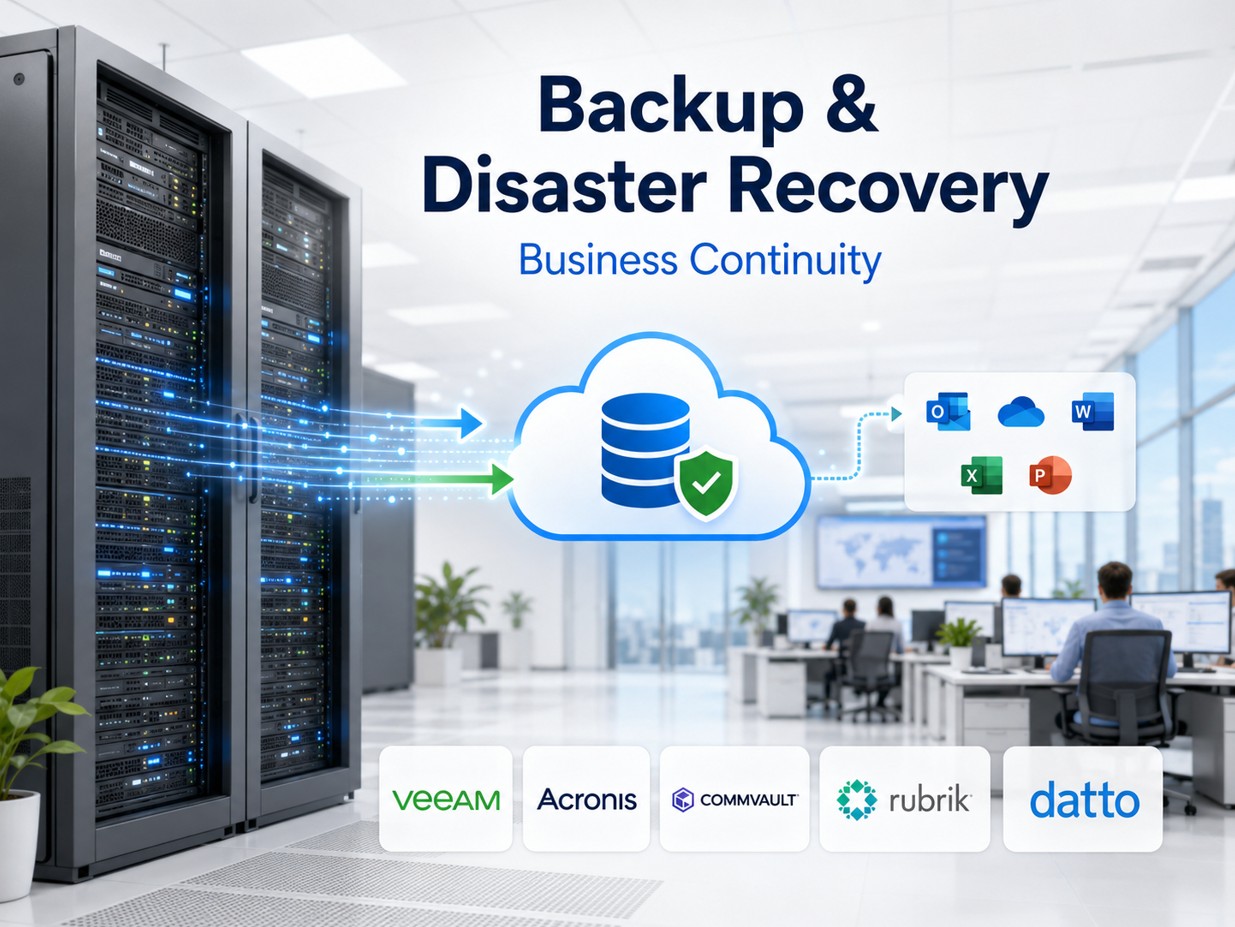
Use Always On availability groups for database-level replica management, listener-based connectivity, and controlled failover where edition and application design support it.
Use Windows Failover Clustering and shared storage designs when instance-level failover is the right fit.
Use replication, log shipping, or read replicas for specific reporting, distribution, or recovery scenarios after clarifying limitations.
Define RPO, RTO, planned maintenance tolerance, failover ownership, and business communication expectations.
Always On
Availability groups can provide database-level failover and readable secondary designs, but they require careful planning for synchronous versus asynchronous commit, automatic failover, backups on secondary replicas, and monitoring.
Application connection strings must use the listener correctly and tolerate failover behavior. Reporting workloads on readable secondaries still need capacity and Query Store considerations.
Clustering
Failover cluster instances require cluster validation, quorum design, shared storage or supported storage alternatives, service account planning, patch sequencing, and tested failover between nodes.
Cluster design should include heartbeat networks, storage multipath, DNS registration, antivirus exclusions, and documented owner responsibilities.
Replication
Transactional, merge, and snapshot replication can support distribution, reporting, or integration needs, but replication latency, conflict handling, schema changes, and monitoring can create operational complexity.
Use replication only after defining whether the goal is read scale, data distribution, migration, reporting, or disaster recovery.
RPO/RTO
RPO defines acceptable data loss; RTO defines acceptable recovery time. These values should be approved by business owners, not guessed by IT during an incident.
Different databases may need different tiers. A payroll database, medical scheduling system, public website, and archive database rarely deserve the same cost or complexity.
Highlighted Guidance
Use a focused program that connects technology, ownership, monitoring, evidence, and recovery planning for this exact business system.
Use availability groups when database-level replica failover and listener-based connectivity match the application.
Validate cluster nodes, quorum, networking, storage, and failover behavior before relying on production failover.
Keep HA separate from backup; replicas do not replace point-in-time recovery.
Alert on replica lag, unhealthy synchronization, failed jobs, listener issues, quorum changes, and storage latency.
Perform planned failovers and document application behavior, user impact, and recovery timing.
Pair local HA with offsite recovery strategy for site-level incidents.
Authoritative references: SQL Server Always OnWindows Failover ClusteringNIST CSFCISA CPGs
Business Impact
Recurring Review
Related Resources

Ali Hassani, CISO
Ali Hassani is a CISO, cybersecurity and IT consultant, and IT infrastructure leader with 25+ years of experience in cybersecurity, compliance, Microsoft environments, network security, managed IT, and business technology operations; his certifications include CISSP, CCISO, CCNP, CCNA, MCSE, MCSA Security, MCITP, MCP, and MCTS.


FAQ
Database High Availability Planning is a practical IT and cybersecurity discipline for protecting business applications, data, uptime, access, and operational evidence.
Critical systems should be reviewed monthly or quarterly depending on business impact, regulatory exposure, vendor change rate, and incident history.
No. This guide is for initial guidance only and does not replace a professional cybersecurity audit, compliance assessment, penetration test, or legal/compliance review.
IT Perfection can help your team turn this guidance into a practical roadmap, remediation plan, documentation set, and recurring management process.
Created by Ali Hassani, CISO - 25+ years of IT, cybersecurity, compliance, and infrastructure experience.