Remote access VPN
A user-to-network connection for employees, administrators, vendors, or contractors who need controlled access to internal applications.
Hotline: +1 949 777 5567
Email: Info@ITperfection.com
IT Operations & Cybersecurity Encyclopedia
Remote access VPN is still a critical part of business IT. This guide explains how IT teams can secure SSL VPN, IPsec VPN, user groups, MFA, endpoint posture, split tunneling, logging, conditional access, least privilege, and Zero Trust alternatives for remote workers.
Remote Access VPN
A remote access VPN allows approved users to connect from outside the office into business resources. It may be used for file shares, line-of-business applications, remote administration, legacy systems, internal web apps, VoIP management, or access to private network segments.
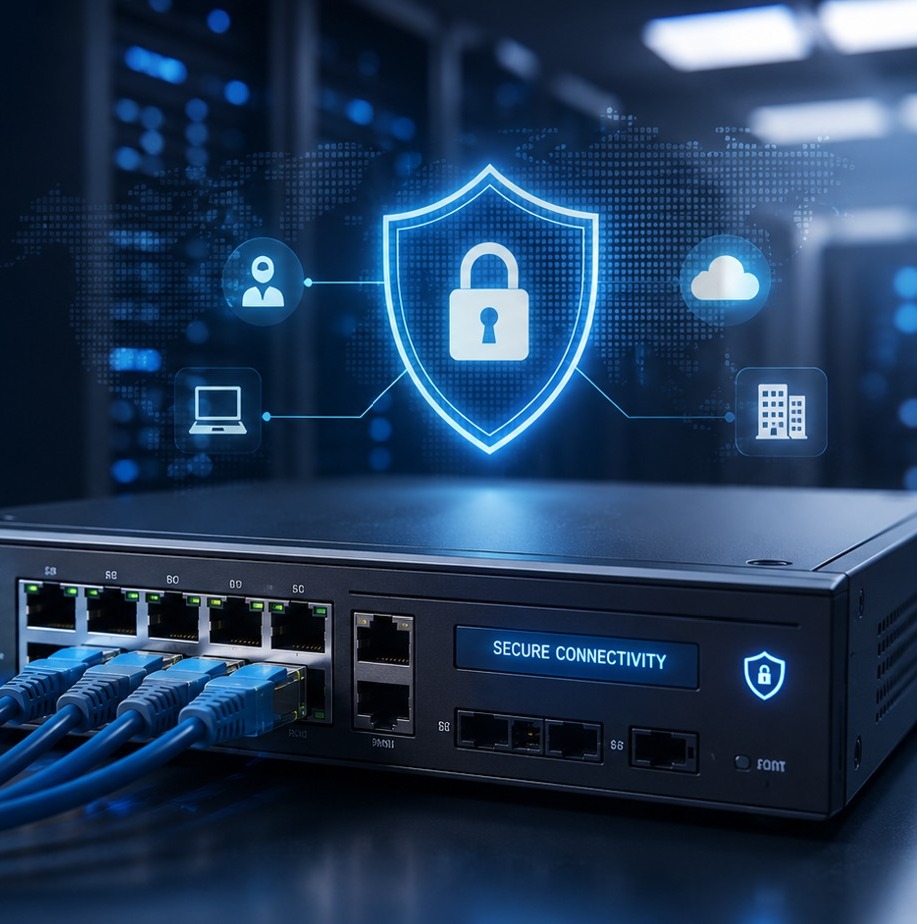
The security problem is that a VPN can make a remote laptop feel like it is inside the network. If credentials are compromised or the endpoint is unmanaged, attackers may inherit internal reach. Strong end-user VPN security limits who can connect, which device can connect, what that user can reach, and what evidence is logged.
VPN Models
A user-to-network connection for employees, administrators, vendors, or contractors who need controlled access to internal applications.
A common browser or client-based remote access model that often terminates on a firewall or secure access appliance.
A policy-based or route-based encrypted tunnel often used for site-to-site connections, administrator access, or managed client VPN use cases.
A Zero Trust Network Access approach that publishes specific applications rather than broad network segments.
MFA And Identity
VPN MFA reduces the chance that a stolen password alone becomes a network access event. It should apply to employees, administrators, vendors, service accounts where interactive access exists, and break-glass accounts with tightly controlled procedures.
Microsoft Entra Conditional Access can add richer policy decisions such as compliant device, user risk, sign-in risk, geography, application, and group membership. VPN platforms may also integrate with RADIUS, SAML, certificate-based authentication, or identity providers depending on the firewall and remote access design.
Endpoint Compliance
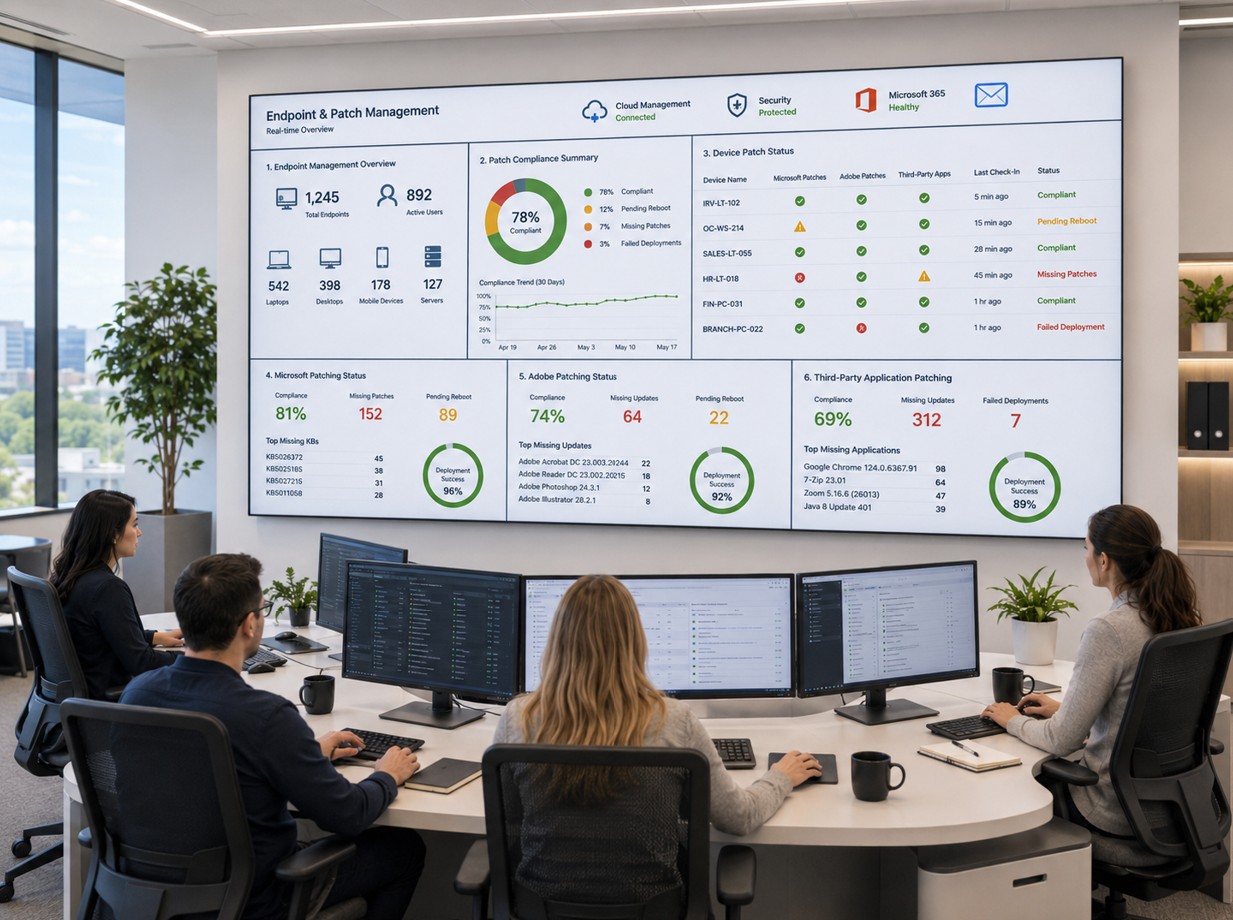
Endpoint posture checks help determine whether a laptop is managed, encrypted, patched, protected by EDR, and compliant with security policy before it receives internal network access. Device certificates and managed device trust can also reduce the chance that a personal or attacker-controlled device connects with stolen credentials.
Where posture checks are limited, use compensating controls: narrower VPN groups, segmented firewall policies, EDR coverage, DNS filtering, conditional access, stricter logging, and recurring access reviews.
Split Tunneling
Split tunneling sends some traffic through the VPN and some directly to the internet. It can reduce bandwidth use and improve SaaS performance, but it can also bypass DNS filtering, secure web gateways, traffic inspection, and central logging. Full tunnel sends more traffic through business controls but may create capacity and latency challenges.
Record which destinations are split, why they are split, who approved the design, and how it will be reviewed.
Use endpoint web protection, DNS filtering, EDR, and identity controls so split traffic is not invisible.
Review logs, endpoint alerts, user experience, bandwidth, and application behavior after split tunnel changes.
Highlighted Guidance
End-user VPN security requires identity controls, device trust, least privilege, patching, segmentation, logging, and incident response evidence. MFA is essential, but it is only one part of a secure remote access program.
Useful references include CISA enterprise VPN security guidance, NIST SP 800-207 Zero Trust Architecture, MITRE ATT&CK External Remote Services T1133, NVD CVE database, CISA Known Exploited Vulnerabilities Catalog, Microsoft Security Update Guide, and Cloudflare Zero Trust documentation.
Vendor documentation should be reviewed for the specific firewall, VPN client, identity provider, endpoint platform, and SIEM used in your environment.
Technologies
| Technology | Role in VPN security | Reference |
|---|---|---|
| Fortinet SSL VPN | Firewall-based SSL VPN and client access controls for FortiGate environments. | Documentation |
| Cisco AnyConnect/Secure Client | Remote access client and secure endpoint connectivity for Cisco environments. | Documentation |
| Palo Alto GlobalProtect | Remote access and host information profile controls for Palo Alto Networks environments. | Documentation |
| SonicWall SSL VPN | SSL VPN remote access features for SonicWall firewall environments. | Documentation |
| Meraki Client VPN | Remote user VPN support for Meraki MX environments. | Documentation |
| Microsoft Entra Conditional Access | Identity-driven access policies for MFA, device compliance, user risk, and application access. | Documentation |
| Cloudflare Zero Trust | ZTNA, secure web gateway, device posture, and application access controls. | Documentation |
| NIST Zero Trust Architecture | Vendor-neutral guidance for moving beyond implicit trust in network location. | Documentation |
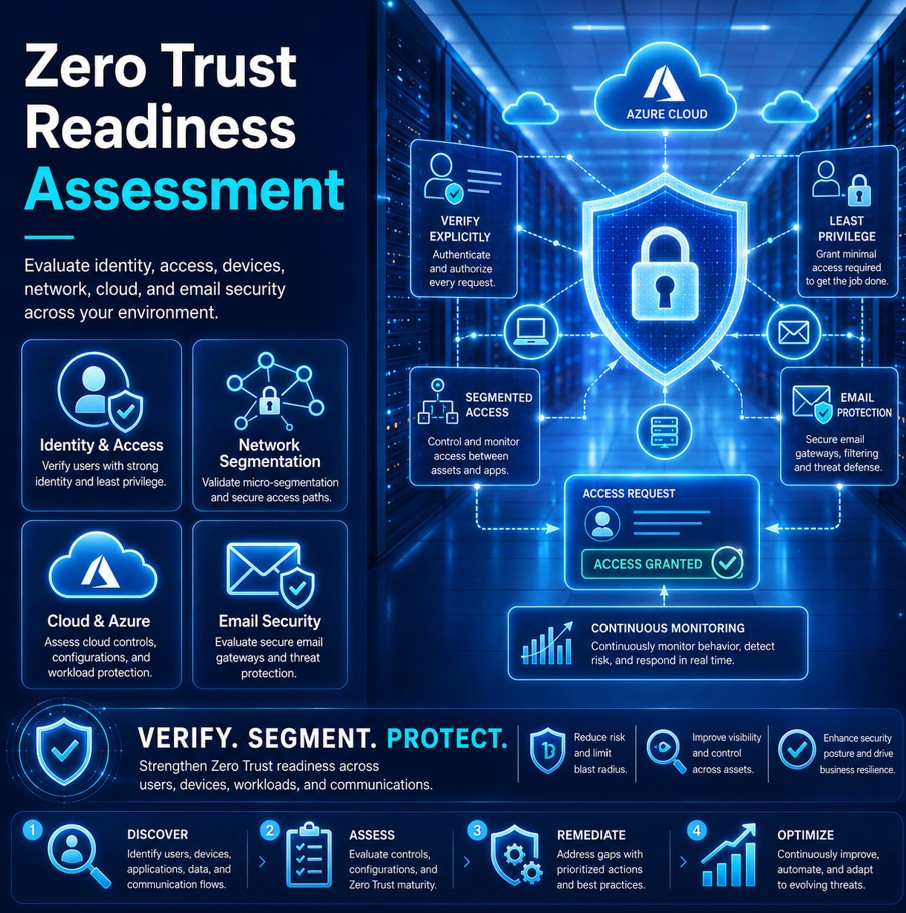
ZTNA and identity-aware access can reduce broad network exposure by publishing specific applications and validating user, device, posture, and policy before each session. For many businesses, VPN and ZTNA coexist while legacy systems, administrator access, and application architecture are modernized.
Risks
Logging And SIEM
VPN logs should help answer who connected, from where, with which device, through which authentication method, to which VPN group, and what happened after connection. Correlate VPN events with firewall traffic, DNS queries, EDR alerts, identity logs, and unusual data movement.
SIEM logging is especially important for compromised credentials, impossible travel, brute force attempts, new country sign-ins, vendor access, privileged user sessions, and abnormal after-hours activity.
Maintenance
How IT Perfection Can Help
IT Perfection can help review VPN users, firewall VPN policies, MFA coordination, endpoint compliance, split tunneling, logging, documentation, offboarding, and practical remote work support. For deeper security advisory work, IT Perfection can coordinate with OC Security Audit for virtual CISO, incident response, and firewall audit services.

Ali Hassani, CISO
Ali Hassani, CISO, has 25+ years of experience in IT infrastructure, cybersecurity, network security, Microsoft environments, firewall security, compliance-focused operations, managed IT, and incident response readiness. End-user VPN security sits at the intersection of identity, endpoints, firewall policy, network segmentation, logging, and user support.
Ali helps businesses connect practical IT operations with security expectations so remote access is easier to support, audit, and improve.
CISSP, CCISO, CCNP, CCNA, MCSE, MCSA Security, MCITP, MCP, MCTS.


FAQ
End-user VPN security is the set of identity, endpoint, network, logging, and access controls used to protect remote users who connect into business systems through VPN or secure access tools.
Neither is automatically secure. Security depends on MFA, patching, user groups, endpoint posture, logging, least privilege, firewall policy, and how much internal access the tunnel provides.
Split tunneling can improve performance, but it should be risk reviewed, documented, and monitored because some user traffic may bypass business security controls.
For some applications, ZTNA and identity-aware access can reduce or replace broad network VPN access. Many businesses run a hybrid model while legacy applications and admin workflows are modernized.
No. This guide is for initial guidance only and does not replace a professional cybersecurity audit, compliance assessment, penetration test, or legal/compliance review.
Need help reviewing VPN users, MFA, endpoint compliance, split tunneling, firewall policy, logging, or Zero Trust alternatives? IT Perfection can help create a practical remote access plan for your business.
Created by Ali Hassani, CISO - 25+ years of IT, cybersecurity, compliance, and infrastructure experience.