1Behavioral analytics
Looks for suspicious process trees, script execution, credential access, privilege abuse, persistence, lateral movement, and encryption behavior.
Hotline: +1 949 777 5567
Email: Info@ITperfection.com
IT Operations & Cybersecurity Encyclopedia
This endpoint detection and response guide explains how EDR protects business endpoints with behavioral detection, alert triage, endpoint isolation, investigation, ransomware detection, managed detection and response workflows, and endpoint visibility for IT and security teams.

What Is EDR
Endpoint detection and response is security technology for laptops, desktops, servers, and other managed endpoints. EDR agents collect endpoint telemetry, detect suspicious behavior, create alerts, support investigation, and provide response actions such as isolation, quarantine, containment, or remediation.
Business EDR is most effective when it is tied to endpoint management, vulnerability management, backup, identity security, SIEM or log analytics, and clear incident response ownership.

EDR vs Antivirus
| Capability | Traditional antivirus | Endpoint detection and response |
|---|---|---|
| Primary model | Known malware signatures, reputation, and prevention controls. | Behavioral detection, endpoint telemetry, alert triage, and response workflows. |
| Investigation | Limited event detail in many environments. | Timeline, process tree, command line, user, file, network, and device context. |
| Containment | May quarantine malicious files. | Can isolate devices, stop processes, collect evidence, and support guided remediation. |
| Threat hunting | Usually limited. | Search endpoint telemetry for indicators, tactics, affected devices, and related events. |
Detection
Looks for suspicious process trees, script execution, credential access, privilege abuse, persistence, lateral movement, and encryption behavior.
Collects activity from laptops, desktops, servers, identities, applications, command lines, files, network connections, and device health signals.
Correlates endpoint events with known malicious indicators, suspicious domains, file reputation, attacker infrastructure, and campaign patterns.
Helps analysts connect alerts to adversary tactics and techniques such as execution, persistence, defense evasion, discovery, and impact.
Response Workflows
Network isolation can limit spread while preserving management connectivity for investigation and remediation.
Response actions may terminate malicious processes, quarantine files, remove persistence, or block related indicators.
Analysts need timeline, user, host, process, file, registry, command-line, and network artifacts before closing an alert.
After containment, teams validate patching, credentials, backups, policy gaps, and user impact before returning devices to service.
A practical response workflow includes alert validation, severity assignment, affected user and device review, endpoint isolation when needed, evidence collection, root-cause analysis, remediation, credential resets if required, patching, business communication, and lessons learned.
Ransomware Endpoint Protection
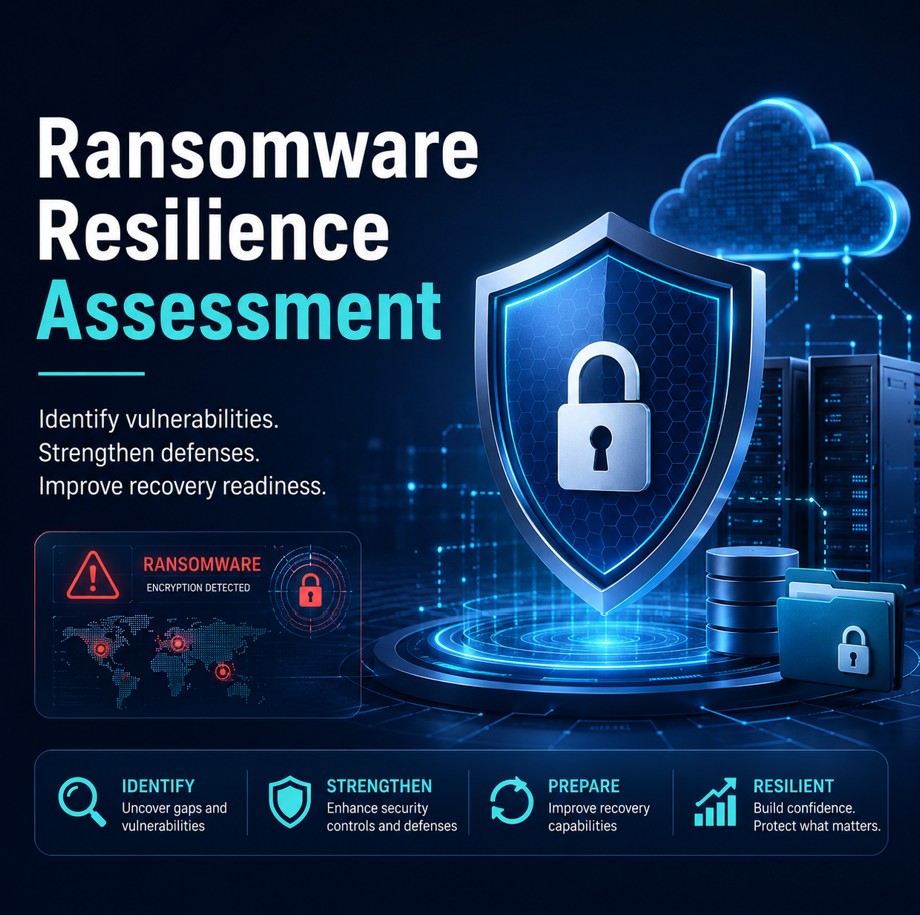
Ransomware endpoint protection looks for suspicious encryption patterns, abnormal file activity, credential theft, command-and-control traffic, lateral movement, defense evasion, shadow copy deletion, malicious scripts, and unusual administrative tool usage.
Highlighted Guidance
Strong endpoint security combines EDR, managed detection, SIEM integration, vulnerability management, identity controls, patching, endpoint hardening, and repeatable response workflows. Tools matter, but the operating model matters just as much.
Common business EDR and MDR platforms include Microsoft Defender for Endpoint, SentinelOne documentation, CrowdStrike guidance, Sophos Endpoint Protection documentation, and Huntress support documentation. Many businesses also integrate EDR with SIEM or log analytics tools, vulnerability scanners, asset inventory, patching systems, and managed detection and response providers.
Authoritative planning references include CISA StopRansomware, CISA cybersecurity best practices, NIST Cybersecurity Framework, NIST SP 800-61 incident handling, MITRE ATT&CK Enterprise Matrix, and the NVD vulnerability database.
Business Impact
Maintenance
Related Resources

Ali Hassani, CISO
Ali Hassani is a CISO, cybersecurity and IT consultant, and IT infrastructure leader with 25+ years of experience in cybersecurity, compliance, Microsoft environments, network security, managed IT, and business technology operations; his certifications include CISSP, CCISO, CCNP, CCNA, MCSE, MCSA Security, MCITP, MCP, and MCTS.
Ali helps businesses connect EDR security, endpoint protection, ransomware endpoint protection, Defender for Endpoint, business EDR operations, alert triage, and managed IT support into a practical operating model.



FAQ
Endpoint detection and response, or EDR, is endpoint security technology that monitors laptops, desktops, and servers for suspicious behavior, alerts security teams, supports investigation, and helps contain threats.
No. Traditional antivirus focuses heavily on known malware signatures. EDR adds behavioral detection, endpoint telemetry, alert investigation, containment actions, threat hunting, and response workflow support.
EDR can help detect and contain ransomware behavior such as suspicious encryption, credential access, lateral movement, and malicious script activity. It is not a guarantee and should be paired with patching, backup, identity security, user training, and incident response planning.
EDR should be connected to asset inventory, patch management, vulnerability management, identity controls, SIEM or log analytics where appropriate, incident response procedures, and managed detection and response workflows.
No. This guide is for initial guidance only and does not replace a professional cybersecurity audit, compliance assessment, penetration test, or legal/compliance review.
Need help reviewing endpoint protection, EDR alert triage, ransomware controls, Microsoft Defender for Endpoint, MDR workflows, vulnerability management, or managed IT endpoint operations? IT Perfection can help.
Created by Ali Hassani, CISO - 25+ years of IT, cybersecurity, compliance, and infrastructure experience.