
Network Infrastructure Management in Irvine, Orange County, and Los Angeles
Network infrastructure management for Orange County businesses, including firewalls, VPN, Wi-Fi, monitoring, documentation, and secure connectivity.
Open resource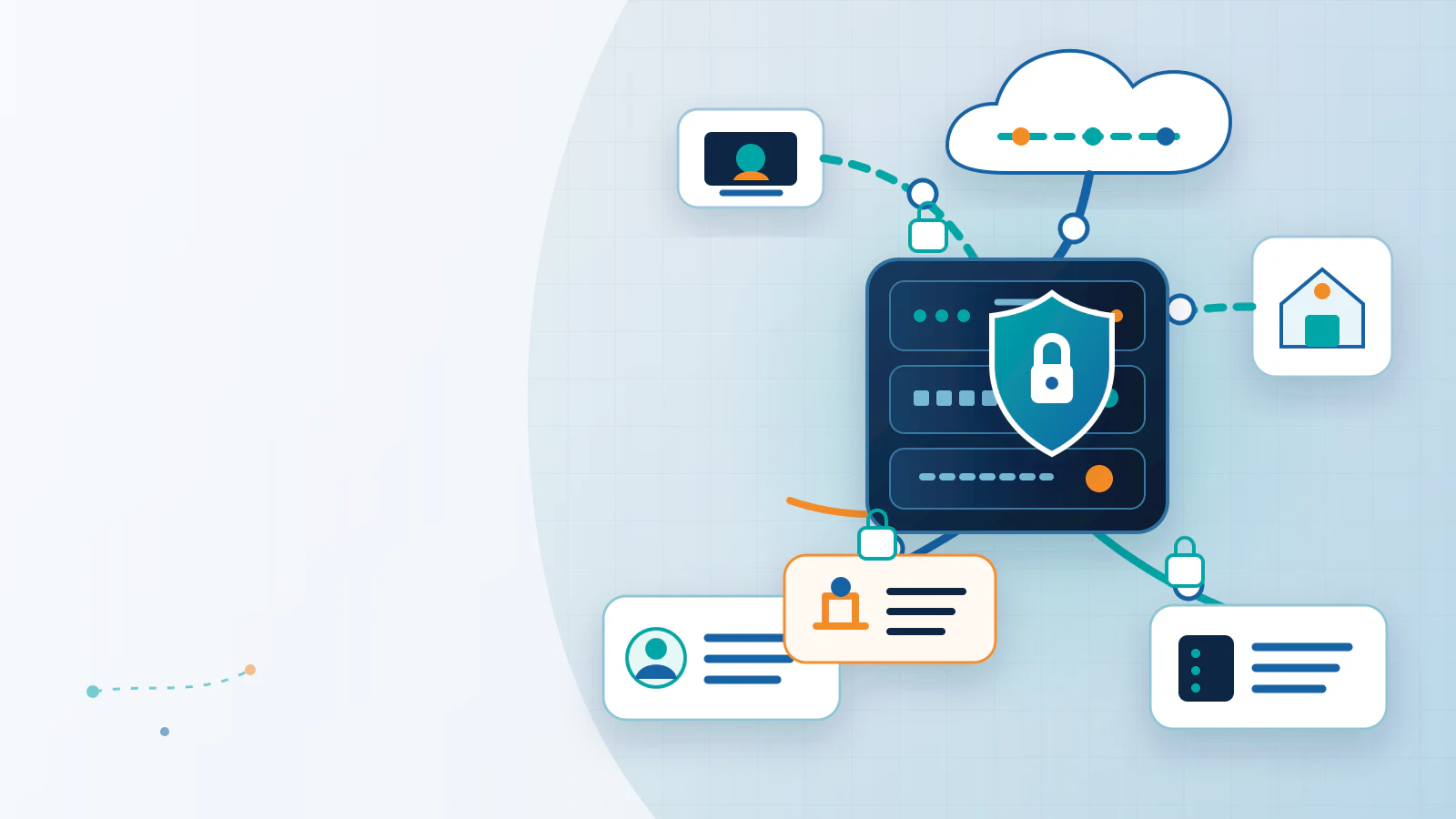
IT Perfection network security ecosystem
A practical, interconnected library for designing, hardening, operating, documenting, and troubleshooting business networks—from the perimeter and cloud edge to VLANs, wireless, DMZs, remote users, and branch offices.
Start with the problem, not the product
A secure network is an operating system of people, architecture, configurations, evidence, and response—not a single appliance. These starting points move from business need to the most useful technical path.
Architecture model
Begin with assets, data flows, identities, business dependencies, and failure impact. Then place controls at boundaries where they can be owned, monitored, tested, and recovered. A diagram is useful only when it matches routing, firewall policy, cloud controls, and the actual deployed environment.
For meaningful change control, record the current state, business owner, security purpose, expected traffic, validation method, rollback steps, and evidence before implementation.
Path 01 · 1 resource
Start with the operating model: asset ownership, lifecycle management, documentation, monitoring, support, and disciplined change control across the network.
Network infrastructure management for Orange County businesses, including firewalls, VPN, Wi-Fi, monitoring, documentation, and secure connectivity.
Open resource →Path 02 · 5 resources
Design trust boundaries, failure domains, traffic paths, redundancy, and standards before choosing individual products or writing rules.
Use this focused resource to review defense-in-depth network design decisions, security controls, evidence, operations, and practical next steps.
Open resource →Learn how small business network architecture helps IT teams improve network infrastructure, managed IT operations, cloud services, monitoring, documentation, security, and business continuity.
Open resource →Design branch office networks with WAN circuits, firewall edge, VLAN segmentation, Wi-Fi, voice, VPN or SD-WAN, cloud routing, monitoring, resilience, documentation, and security controls.
Open resource →Learn how multi-site network standardization helps IT teams improve network infrastructure, managed IT operations, cloud services, monitoring, documentation, security, and business continuity.
Open resource →Learn how network high availability architecture review helps IT teams improve network infrastructure, managed IT operations, cloud services, monitoring, documentation, security, and business continuity.
Open resource →Path 03 · 4 resources
Harden the control and management planes, validate routing behavior, document paths, and plan replacements without creating preventable outages.
Secure business routers with firmware management, admin access control, MFA or AAA, SSH, SNMPv3, logging, backups, WAN exposure review, routing controls, VPN settings, segmentation, and change evidence.
Open resource →Learn how dynamic routing protocol security helps IT administrators, network engineers, IT managers, and business owners improve infrastructure security, management, monitoring, documentation, and operations.
Open resource →Review and document routing tables across networks and cloud with default routes, next hops, VPN and firewall paths, asymmetric routing, blackholes, route ownership, change control, and validation evidence.
Open resource →Learn how router replacement planning helps IT teams improve network infrastructure, managed IT operations, cloud services, monitoring, documentation, security, and business continuity.
Open resource →Path 04 · 6 resources
Secure access and core switching while using VLANs, port controls, routing boundaries, and redundancy to contain faults and unauthorized access.
Use this focused resource to review business switch security configuration decisions, security controls, evidence, operations, and practical next steps.
Open resource →Design secure VLANs with segmentation purpose, subnet mapping, inter-VLAN routing, ACLs, trunk hardening, native VLAN controls, DHCP, management VLANs, guest and IoT isolation, monitoring, and documentation.
Open resource →Learn how access switch port security helps IT administrators, network engineers, IT managers, and business owners improve infrastructure security, management, monitoring, documentation, and operations.
Open resource →Secure Layer 3 switches with routed VLAN governance, SVI controls, ACLs, routing protocol protection, DHCP snooping, Dynamic ARP Inspection, management-plane hardening, logging, backups, and change evidence.
Open resource →Learn how core switch high availability helps IT administrators, network engineers, IT managers, and business owners improve infrastructure security, management, monitoring, documentation, and operations.
Open resource →Configure and review voice VLANs with switch ports, LLDP/CDP, DHCP, QoS, IP phones, VoIP security, firewall rules, Teams Phone readiness, testing, and troubleshooting evidence.
Open resource →Path 05 · 5 resources
Separate users, servers, guests, management systems, public applications, and operational technology according to risk and required communication.
Build a network segmentation strategy with business zones, VLANs, firewall policy, identity, NAC, cloud controls, exception governance, testing, monitoring, and audit evidence.
Open resource →Learn how to design and secure a DMZ for public-facing servers, reverse proxies, web applications, VPN portals, and business services.
Open resource →Learn how to review DMZ firewall rules, NAT policies, exposed ports, public servers, reverse proxies, VPN portals, and application access risk.
Open resource →Learn how to publish business applications safely using DMZ design, firewall rules, reverse proxies, WAF, TLS, DNS, monitoring, and logging.
Open resource →Use this focused resource to review ot and industrial network security decisions, security controls, evidence, operations, and practical next steps.
Open resource →Path 06 · 7 resources
Treat the firewall as a managed control system: secure the platform, define policy ownership, review rules, preserve configurations, and recertify access.
Harden firewall security configuration with management access, least-privilege rules, NAT exposure, VPN MFA, logging, firmware, backups, HA, threat services, and review evidence.
Open resource →Clean up firewall rules safely with inventory, owners, hit counts, duplicate detection, broad access review, NAT mapping, change control, testing, rollback, and evidence.
Open resource →Build firewall policy governance with rule ownership, standards, change approval, emergency access, exceptions, recertification, metrics, logging, and audit evidence.
Open resource →Learn how firewall policy lifecycle management helps IT teams improve network infrastructure, managed IT operations, cloud services, monitoring, documentation, security, and business continuity.
Open resource →Build a firewall configuration backup and restore process with encrypted exports, version control, HA coverage, restore testing, credential handling, evidence, and recovery runbooks.
Open resource →Compare next-generation firewall features by application control, IPS, TLS inspection, URL filtering, VPN, SD-WAN, sandboxing, logging, HA, cloud, licensing, and operations.
Open resource →Learn how small business firewall vendor selection helps IT teams improve network infrastructure, managed IT operations, cloud services, monitoring, documentation, security, and business continuity.
Open resource →Path 07 · 5 resources
Protect remote users and branch connectivity with strong identity, approved cryptography, narrow routes, logging, lifecycle control, and tested failback.
Learn how to secure remote access VPN for users with MFA, endpoint compliance, logging, split tunneling controls, and least-privilege access.
Open resource →Secure site-to-site VPNs with approved IPsec/IKE settings, peer identity, strong authentication, limited tunnel scope, segmentation, logging, monitoring, key rotation, failover testing, and evidence.
Open resource →Use this focused resource to review secure remote access & vpn management decisions, security controls, evidence, operations, and practical next steps.
Open resource →Prepare VPN user access and MFA audit evidence with user and group exports, MFA enforcement, bypass exceptions, inactive users, vendor access, admin accounts, logs, remediation tickets, and owner sign-off.
Open resource →Review MFA, split tunneling, vendor access, stale accounts, VPN logs, geolocation restrictions, and emergency access. Use IT Perfection's free tool to create
Open resource →Path 08 · 3 resources
Evaluate modern connectivity and access models against real application paths, identity controls, branch requirements, operations, and migration risk.
Prepare for SD-WAN with site readiness, routing design, segmentation, firewall integration, identity-aware access, monitoring, logging, failover testing, migration planning, and security evidence.
Open resource →Select a SASE vendor with identity-aware access, ZTNA, SWG, CASB, FWaaS, SD-WAN integration, PoP coverage, logging, data protection, migration planning, and support evidence.
Open resource →Use this focused resource to review remote access / vpn / ztna selector decisions, security controls, evidence, operations, and practical next steps.
Open resource →Path 09 · 4 resources
Secure corporate and guest wireless through strong authentication, controller hardening, segmentation, radio planning, monitoring, and lifecycle management.
Learn how to secure business Wi-Fi with WPA2/WPA3, guest isolation, VLANs, rogue AP detection, controller security, and wireless monitoring.
Open resource →Learn how guest network design for business offices helps IT teams improve network infrastructure, managed IT operations, cloud services, monitoring, documentation, security, and business continuity.
Open resource →Secure wireless LAN controllers with hardened admin access, MFA, WPA2/WPA3 Enterprise, 802.1X, segmentation, guest isolation, rogue AP monitoring, logging, backups, and change control.
Open resource →Use this focused resource to review managed wi-fi decisions, security controls, evidence, operations, and practical next steps.
Open resource →Path 10 · 2 resources
Control who and what can connect by combining identity, device posture, authorization policy, exception handling, visibility, and phased enforcement.
Compare NAC tools by identity integration, 802.1X, guest access, posture checks, IoT visibility, enforcement, licensing, operations, reporting, and deployment readiness.
Open resource →Deploy and operate Cisco ISE network access control with 802.1X, RADIUS, profiling, posture, guest access, device authorization, segmentation, logging, policy review, and audit evidence.
Open resource →Path 11 · 5 resources
Apply the same disciplined architecture, segmentation, inspection, routing, resiliency, and evidence practices to Azure and hybrid environments.
Learn how azure network architecture review helps IT teams improve network infrastructure, managed IT operations, cloud services, monitoring, documentation, security, and business continuity.
Open resource →Learn how azure hub-and-spoke network design helps IT teams improve network infrastructure, managed IT operations, cloud services, monitoring, documentation, security, and business continuity.
Open resource →Design and operate Azure Network Security Groups with subnet and NIC scope, rules, priorities, service tags, application security groups, effective rules, and flow logs.
Open resource →Secure Azure Firewall with hub-and-spoke design, Firewall Policy, threat intelligence, IDPS, TLS inspection, logging, routing, and rule review.
Open resource →Learn how azure vpn gateway operations helps IT teams improve network infrastructure, managed IT operations, cloud services, monitoring, documentation, security, and business continuity.
Open resource →Path 12 · 7 resources
Turn network telemetry and configuration state into actionable operations with baselines, secure protocols, backups, logs, and tested runbooks.
Improve network monitoring with inventory coverage, SNMP/API telemetry, syslog, NetFlow, alert tuning, escalation, dashboards, security signals, and monthly evidence review.
Open resource →Learn how network performance baseline helps IT teams improve network infrastructure, managed IT operations, cloud services, monitoring, documentation, security, and business continuity.
Open resource →Learn how network configuration management tool selection helps IT teams improve network infrastructure, managed IT operations, cloud services, monitoring, documentation, security, and business continuity.
Open resource →Build a network device configuration backup program with inventory scope, secure credentials, scheduled exports, change-triggered backups, encryption, retention, diff review, and restore readiness.
Open resource →Migrate from SNMPv1/v2c to SNMPv3 with device inventory, monitoring platform readiness, authPriv users, VACM views, ACLs, trap testing, phased cutover, legacy cleanup, rollback, and evidence.
Open resource →Secure syslog servers with source inventory, RFC 5424 format, TLS where supported, firewall rules, time sync, parsing, retention, storage protection, alerts, access control, and log evidence.
Open resource →Learn how network troubleshooting runbook helps IT teams improve network infrastructure, managed IT operations, cloud services, monitoring, documentation, security, and business continuity.
Open resource →Path 13 · 3 resources
Translate network controls into reviewable evidence by preserving scope, approvals, rule ownership, access reviews, configurations, logs, and exceptions.
Prepare PCI DSS network segmentation evidence with CDE scope, firewall and ACL rules, data-flow diagrams, zone boundaries, validation testing, exception records, remediation tickets, and assessor-ready proof.
Open resource →Prepare firewall and VPN audit evidence with rule reviews, remote access, MFA, logs, change records, VPN users, admin access, vulnerabilities, backups, and remediation tracking.
Open resource →Run firewall rule recertification with rule exports, owners, hit counts, risk scoring, approvals, exceptions, cleanup tickets, validation, and audit evidence.
Open resource →Path 14 · 2 resources
Connect technical standards to daily execution through monitoring, documented changes, lifecycle planning, incident response, and accountable support.
Network monitoring services for Irvine and Orange County businesses to detect outages, device issues, firewall problems, bandwidth risks, and downtime.
Open resource →Use this focused resource to review router, switch & vlan management decisions, security controls, evidence, operations, and practical next steps.
Open resource →Safe implementation standard
Back up device configurations, export relevant policy, record versions and dependencies, and preserve enough evidence for comparison and failback.
Use narrow scope, peer review, approved maintenance windows, out-of-band access where appropriate, and a written rollback threshold.
Test intended traffic, blocked traffic, logging, monitoring, redundancy, performance, user impact, and recovery—not merely whether the interface accepted the change.
Experienced, accountable guidance
This resource center was developed for business owners, IT managers, CISOs, CIOs, and administrators who need practical direction without losing technical rigor. It connects architecture, control design, operations, evidence, and support so teams can move from a question to a defensible next action.
Created by Ali Hassani, CISO — 25+ years of IT, cybersecurity, compliance, and infrastructure experience. IT Perfection supports businesses in Irvine, Orange County, Los Angeles County, and Southern California.
Frequently asked questions
Begin with an accurate asset and topology inventory, administrative-access review, firewall and VPN configuration backup, current firmware status, segmentation map, logging coverage, and a prioritized remediation plan. The right first technical guide depends on whether the immediate concern is architecture, perimeter control, remote access, switching, wireless, or operations.
A router moves traffic between networks, a switch connects devices within network segments, a firewall enforces permitted traffic between trust zones, and a VPN protects traffic across an untrusted network. Modern platforms may combine functions, but the design and control objectives remain distinct.
A DMZ should be a separate trust zone with narrowly defined inbound and outbound flows, no unnecessary path to internal systems, hardened public services, centralized logging, configuration backups, monitoring, and a documented rule owner and business purpose.
Review peer identity, current encryption and integrity algorithms, key exchange, pre-shared-key or certificate lifecycle, permitted subnets, routing, NAT interaction, tunnel monitoring, logging, failover behavior, administrative access, and documented ownership.
No. These resources support initial education, planning, and self-review. They do not replace a professional cybersecurity audit, compliance assessment, penetration test, engineering validation, or legal and compliance review.
Yes. IT Perfection supports network infrastructure, routers, switches, VLANs, firewalls, VPNs, Wi-Fi, monitoring, documentation, and managed or co-managed IT operations for organizations in Orange County, Los Angeles County, and Southern California.
IT Perfection can help assess, document, harden, monitor, and manage routers, switches, VLANs, firewalls, VPNs, wireless, cloud connectivity, and related business infrastructure.
We use necessary cookies and limited analytics and advertising-measurement cookies. Select Accept to allow optional cookies or Deny to continue with necessary cookies only. No name or email is required. You may close this website at any time.
